Corners That Hold a City Together

Step into the living edges of city life—those dependable corners where conversations, errands, and discoveries blend. Today we explore Neighborhood Anchors: Pubs, Post Offices, and Libraries in the Urban Fabric, tracing how these everyday institutions stitch belonging, safety, and opportunity. Through history, design insights, and neighborly stories, see why a barstool, a service window, and a reading table can steady entire streets. Share your memories, challenge assumptions, and help imagine stronger anchors right around the corner from where you live.

Origins and Evolution of Everyday Anchors

Across centuries, convivial rooms, civic counters, and quiet stacks have grounded neighborhoods through upheaval, migration, and reinvention. Pubs offered warmth and informal governance long before formal halls; post offices delivered news and legal identity; libraries gathered knowledge within reach of those without privilege. Understanding how these institutions evolved reveals why they endure, adapting formats while preserving a human promise: a nearby place to be recognized, to participate, and to grow without having to buy much or travel far.

From Tavern Hearth to Welcoming Third Place

In port cities and mining towns, taverns doubled as hiring halls, mutual-aid headquarters, and informal courts. Over time, many transformed into softer rooms where quiz nights, knit circles, and local bands coexist with the after-work pint. Their magic is not alcohol but reliable presence, everyday ritual, and the gentle accountability of regulars. When proprietors know names and notice absences, safety emerges, and laughter travels through doors that stay open to many kinds of neighbors.

Mail, Identity, and the Corner Window

A stamped envelope once carried news faster than any whisper, yet the counter did more than sell postage. It confirmed addresses, stabilized small businesses with post boxes, and anchored civic legitimacy for those between leases or recovering from disaster. Clerks learned people’s rhythms, kept informal ledgers of trust, and displayed posters that stitched residents to shared calendars. Even as parcels digitize, that window continues translating bureaucracy into neighborly care, one careful question and rubber stamp at a time.
Design That Invites Staying, Not Just Passing
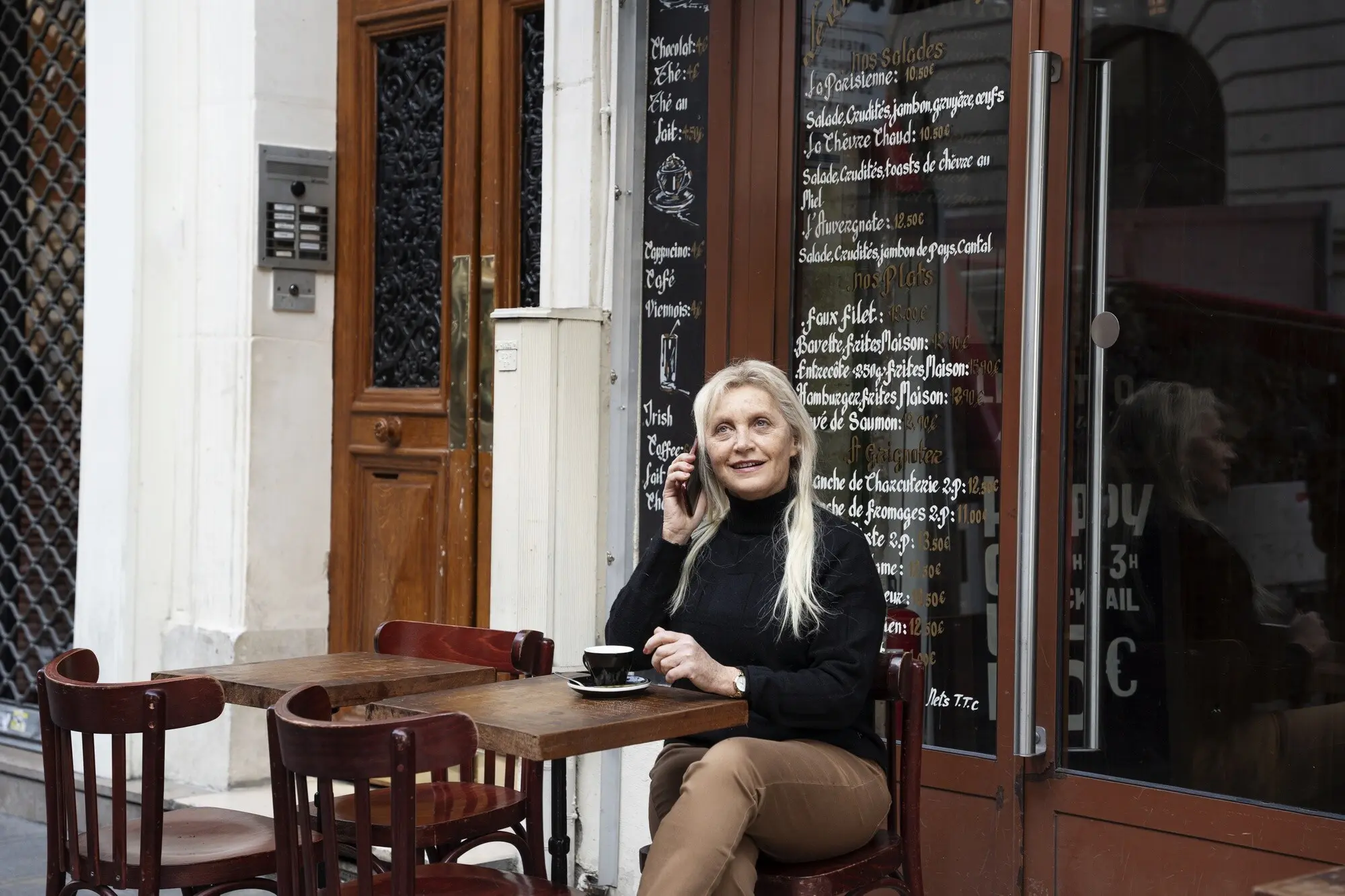
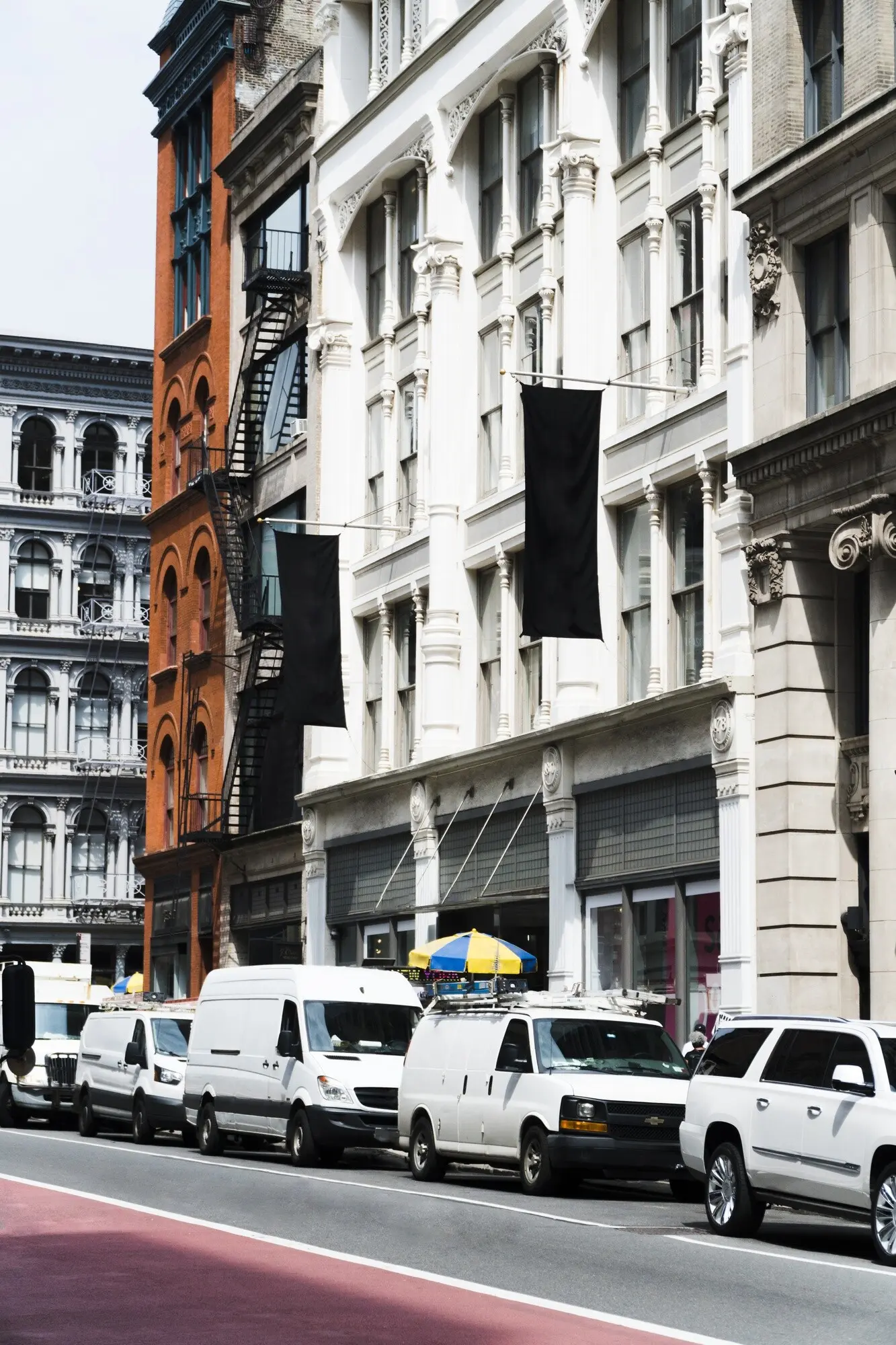
Urban form decides whether a building greets the street or retreats behind parking lots. Anchors thrive on corner visibility, transparent façades, and thresholds that feel permissive instead of policed. Benches facing outward, windows at eye level, and lights that glow warm after dusk encourage pause and conversation. Inside, adaptable rooms support many publics in a single day. When movement, comfort, and care align, lingering becomes natural, and casual encounters gain the dignity of place.

Neighborhood Economies and Ripple Effects

Anchors circulate money, attention, and trust. A successful pub might sponsor youth sports while purchasing bread from the corner bakery. Post offices concentrate foot traffic, lifting adjacent retail and legitimizing cottage enterprises through reliable shipping. Libraries convert time into capability, supporting lifelong learners and new entrepreneurs. These ripple effects rarely appear in quarterly spreadsheets, yet they stabilize streets through micro-opportunities, predictable hours, and the dependable kindness of staff who know where to point first-time visitors.

A Pint, A Pie, and Local Paychecks

Beyond tips and tills, local pubs support nighttime economies safely when transit and lighting are robust. They employ cooks, cleaners, musicians, and maintenance vendors, knitting livelihoods across backgrounds. Supplier choices matter: regional breweries, neighborhood farms, and fair labor contracts retain value locally. When owners host charity quizzes or rent-free mornings for parent groups, hospitality shifts from transaction to reciprocity, and the line between customer and co-creator blurs into a healthier, more resilient neighborhood marketplace.

Postal Gravity and Visible Reliability

People plan errands around mail runs, creating predictable bursts of attention that neighboring shops can harness with displays, tasting samples, or pop-up repair clinics. Post box rentals stabilize micro-business identities, while informed clerks reduce shipping errors that might otherwise sink fragile margins. In uncertain times, a lit lobby and a reliable last pickup convey continuity. That perception of competence attracts investment, because streets that feel stable invite residents to risk opening new doors nearby.

Library Multipliers for Learning and Enterprise

Free Wi‑Fi, database access, and small-business workshops often deliver the missing pieces between an idea and a first invoice. Librarians quietly coach résumés, grant searches, and prototype testing on laser cutters or sewing machines. Study rooms become negotiation tables for fledgling ventures. When late fees vanish, patrons return without shame, circulation rises, and families re-enter the ladder of opportunity. The dividend arrives as skills, confidence, and networks that circulate far beyond the reading room.

Stories Carried by Laughter, Stamps, and Soft Light

Statistics persuade policy, yet stories persuade neighbors. In every city, someone recalls where they sang unexpectedly, where a clerk recognized their new name, or where a librarian placed exactly the right book into anxious hands. These moments braid memory to concrete, teaching us why certain doors matter. When we share such recollections, we author future rituals, inviting others to step inside and continue a chain of everyday grace that outlives individual shifts and seasons.
Rain chased regulars indoors, the guitarist canceled, and the owner dimmed lights to salvage the mood. Someone hummed a folk chorus; another joined; soon the bar became a choir. No tickets, no flyers—just neighbors discovering harmony. The pub kept Tuesdays for singing thereafter, attracting newcomers who stayed to help repaint after closing. What began as shelter from weather matured into a standing ritual, teaching how serendipity, supported gently, can transform a room into shared memory.
Powerlines sagged and traffic lights blinked, yet the post office propped its door and ran on a generator borrowed from a hardware shop. Clerks hand-canceled letters to insurance adjusters and posted handwritten updates hourly. People brought thermoses, then muffins, then extension cords for neighbors’ phones. That open window stabilized nerves and paperwork alike. Weeks later, residents remembered not the queues but the kindness, and nearby storefronts reported steadier recovery because someone kept the civic heartbeat audible.
Laid off on a Friday, a parent wandered into the branch the following Monday, embarrassed and unsure. A librarian mapped out job databases, childcare resources, and a makerspace orientation. Within months, a side hustle printing custom labels replaced panic with planning. Story time provided community for the kids; résumé clubs offered encouragement for the grown‑ups. The family still celebrates card-renewal day, honoring a small plastic rectangle that pointed them from fear toward possibility.

Policy, Licensing, and the Care of the Commons

Licensing That Rewards Good Neighbors

Rather than blanket curfews, align permits with practices: extended hours for venues demonstrating safe egress, staff training, and noise mitigation; expedited renewals for those hosting community nights or collaborating with nearby schools. Publish clear metrics, mediate conflicts early, and fund nighttime stewards who de-escalate rather than punish. When cities treat publicans as partners, not problems, accountability rises alongside creativity. The street gains music, employment, and a sense that rules are written for, not against, community life.

Protecting the Postal Lifeline Without Freezing It

Universal service obligations keep remote residents connected, yet flexibility lets post offices pilot co-located services: bill-pay kiosks, voter information, or secure lockers that extend hours. Transparent pricing, clear metrics on reliability, and community advisory boards prevent politicized whiplash. Train staff for digital literacy support and multilingual interaction. Measured modernization honors the essential role of that public counter while inviting new relevance, preserving trust not by nostalgia alone but through visible competence in everyday, evolving needs.

Funding Knowledge as Essential Infrastructure
Treat libraries like bridges: indispensable, inspected, and upgraded before failure. Multi-year operating funds, living-wage staffing, and maintenance budgets prevent the slow decay that patrons quietly notice. Remove fines that punish poverty while keeping accountability through friendly reminders. Equip branches with cooling, air filtration, and backup power to serve during emergencies. Tie performance measures to community outcomes—literacy gains, digital inclusion, civic participation—rather than solely circulation, acknowledging the holistic, measurable value of curiosity made public and free.

Practical Field Guide for Residents and Stewards

You do not need a grant to strengthen anchors; you need intention and a notebook. Walk, observe, and ask gentle questions. Map who lingers where, when, and why. Offer small, repeatable actions—water, chairs, shade, music—before grand designs. Invite multigenerational leadership and publish simple calendars near bus stops. By stacking tiny rituals, you will feel a street recalibrate, as strangers convert to neighbors and ordinary rooms begin holding extraordinary possibilities without expensive reinvention.

Walk the Block and Map Social Heat

Choose a loop that touches a pub door, a post office window, and a library entry. Count smiles, bench sitters, strollers, cyclists, and dog water bowls. Note where your shoulders relax. Sketch sightlines, shadows, and awkward curb cuts. Ask staff about rush hours and quiet lulls. This map will reveal where a single planter, a string of lights, or a Saturday chess table could multiply welcome without waiting for a master plan.

Start One Small Ritual and Keep It Kind

Pick something generous, repeatable, and clear: a monthly repair café in the library foyer, a postcard-writing hour after market at the post office plaza, or a Wednesday afternoon poetry circle in the pub’s back room. Invite widely, photograph sparingly, and document learnings openly. Rituals grow by reliability and warmth, not spectacle. Over time, participants recruit themselves, ownership distributes, and the ritual becomes a neighborhood metronome guiding steadier, kinder weekly rhythms for many lives.

Measure What Matters, Not Just What’s Easy

Footfall counts and sales figures matter, but so do name recollection rates, cross-referrals between anchors, and the number of lingering minutes that feel comfortable. Survey patrons about safety, belonging, and usefulness. Track collaborations and shared calendars. Celebrate leading indicators like volunteer sign-ups or library card registrations rather than waiting for lagging metrics. When evaluation honors human experience alongside revenue, investments steer toward places that widen welcome and compound value for those with the least.

Tomorrow’s Anchors: Hybrid, Humane, and Close to Home
A Stage, A Screen, and Still the Local

A pub that adds matinee film clubs, language exchanges, or morning study tables can diversify hours without diluting character. Keep tactile cues—wood worn by elbows, familiar chalkboards, a house soda for non-drinkers—while upgrading ventilation and sound. Train staff in de-escalation and inclusive hosting. Equip sockets and strong Wi‑Fi, but guard against laptop monocultures by programming crescendos that return conversation to the room. Modernization succeeds when neighbors say it feels new yet unmistakably ours.

A Counter That Doubles as Civic Platform

A pub that adds matinee film clubs, language exchanges, or morning study tables can diversify hours without diluting character. Keep tactile cues—wood worn by elbows, familiar chalkboards, a house soda for non-drinkers—while upgrading ventilation and sound. Train staff in de-escalation and inclusive hosting. Equip sockets and strong Wi‑Fi, but guard against laptop monocultures by programming crescendos that return conversation to the room. Modernization succeeds when neighbors say it feels new yet unmistakably ours.

A Library That Builds, Heals, and Teaches

A pub that adds matinee film clubs, language exchanges, or morning study tables can diversify hours without diluting character. Keep tactile cues—wood worn by elbows, familiar chalkboards, a house soda for non-drinkers—while upgrading ventilation and sound. Train staff in de-escalation and inclusive hosting. Equip sockets and strong Wi‑Fi, but guard against laptop monocultures by programming crescendos that return conversation to the room. Modernization succeeds when neighbors say it feels new yet unmistakably ours.

Loriveltoxarizavopalovexo
Privacy Overview

This website uses cookies so that we can provide you with the best user experience possible. Cookie information is stored in your browser and performs functions such as recognising you when you return to our website and helping our team to understand which sections of the website you find most interesting and useful.