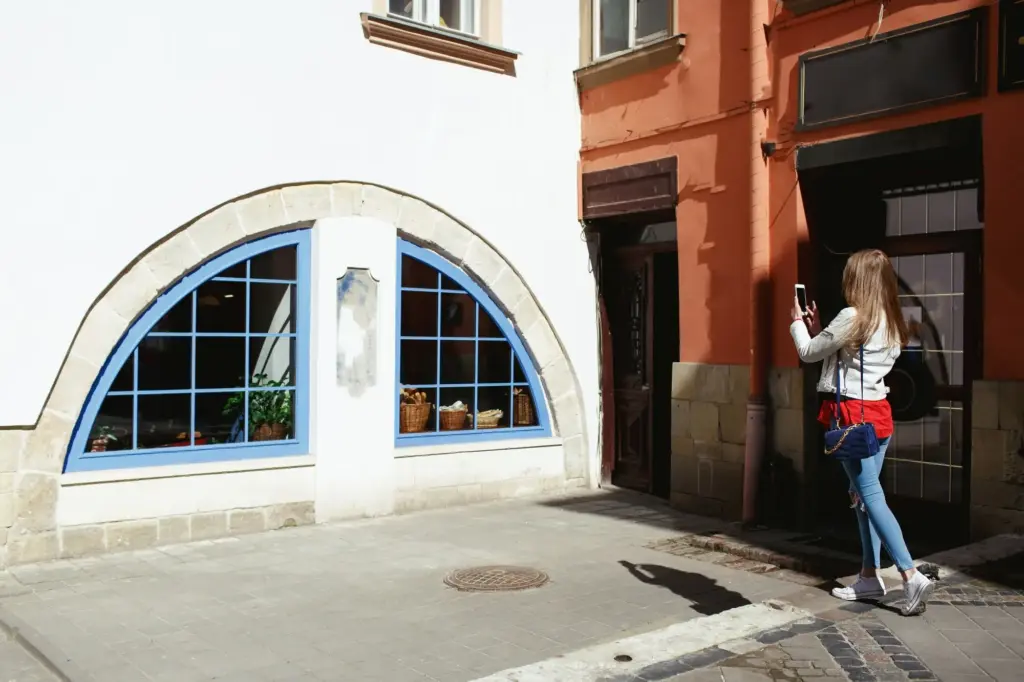
Streets That Sell, Spaces That Gather

Today we explore the anatomy of the High Street—shopfronts that frame desire, arcades that shelter wandering feet, and community hubs that stitch neighbors together—through history, design, and lived experience, inviting you to notice details, share memories, and imagine better streets tomorrow. Expect practical cues, generous stories, and clear takeaways you can use on your next walk or project.

Faces of Commerce: Reading the Shopfront

Every façade along a bustling parade whispers clues about pricing, welcome, and identity. From cornices and pilasters to hand-lettered signs and honest materials, the shopfront functions as handshake and stage, guiding glances, slowing footsteps, and transforming casual curiosity into purposeful entry.

Signage that Speaks

Lettering choices, contrast ratios, illumination, and mounting heights affect legibility across age groups and languages. Great signs balance personality with clarity, echo interior promises, and respect shared sightlines, so streets read as welcoming sentences rather than competing shouts. Include tactile cues and avoid glare.

Windows as Stages

Display windows choreograph light, color, and scale to create a miniature world that rewards a three-second glance and a lingering pause. Layered depths, varied heights, and seasonal narratives help merchandise breathe, while subtle reflections pull passersby into an unfolding, almost cinematic invitation.

Thresholds and Accessibility

The step, door width, handle type, mat texture, and clear opening arc decide who feels welcome, included, or excluded. Consider prams, mobility aids, guide dogs, rainy days, and deliveries. Automatic mechanisms, level entries, and warm vestibules convert hesitation into comfort, returning dignity to everyday shopping.

Sheltered Paths: The Return of the Arcade

Glazed roofs and rhythmic bays once offered dignified protection from soot, mud, and sudden weather. Revived today, arcades stitch short-cuts through blocks, support small traders, and cultivate serendipity, where eating, browsing, and conversation mingle under light that flatters goods and softens moods.

Community Hubs: More Than a Meeting Point

Libraries, markets, repair cafés, and shared kitchens act as anchors that thicken social ties and reduce loneliness. When hours, programs, and staffing reflect local rhythms, these places become trusted living rooms, enabling learning, mutual aid, and chance collaborations that start with a greeting and grow.

Histories Layered in Brick and Glass

Main streets rarely start fresh; they are palimpsests, with repairs, extensions, and scars. Respecting vernacular details while updating services protects character and cuts waste. Conservation becomes future-focused when energy upgrades, accessibility, and contemporary craft meet patient archival research and genuine community memory.

Respectful Restoration

Retain original tiles, stall-risers, and fanlights where possible, matching mortars and profiles so interventions disappear. Where loss occurred, introduce new work that is honest and reversible. Publish before–after notes, trades used, and costs, inviting feedback and teaching others beyond the immediate project.

Adaptive Reuse with Grit

Convert upper floors to coworking, studios, or homes while preserving ground-floor vitality. Insert efficient services without mutilating structures, and celebrate traces of former uses. When leases diversify, streets weather shocks better, and heritage becomes a living partner rather than a fragile keepsake.

Telling Stories in Situ

Discreet plaques, augmented trails, and window vinyls can reveal vanished artisans, wartime repairs, or immigrant beginnings. Story layers enrich quick visits, nourish school projects, and dignify elders’ memories, encouraging locals to guide guests proudly rather than apologizing for patched, hardworking buildings.

Economics of Everyday Footfall

Behind the charm stand rents, rates, service charges, and seasons. Healthy streets balance anchor brands with independents, lunchtime peaks with evening culture, and essential errands with moments of delight. By understanding cashflow realities, communities can negotiate fairer leases and reinvest locally with confidence.

Pop-ups as Prototypes

Short leases, weekend kiosks, and exhibition takeovers let newcomers trial offers without ruinous risk. Observing lines, complaints, and smiles teaches more than surveys. Document lessons openly, then retire, tweak, or scale ideas, inviting readers to share experiences or volunteer for the next pilot.

Listening With Care

Host walkabouts at varying times, translating flyers and providing childcare stipends so quieter voices can attend. Capture conflicts without blame, mapping pinch points and delights. When people feel heard, they forgive missteps and return, strengthening the collective patience needed for meaningful improvement.

Stewardship and Small Wins

Painted crossings, a repaired awning, or a reclaimed bench signal progress neighbors can touch. Celebrate these increments publicly, invite newsletter sign-ups, and recruit caretakers for planting days. Momentum compounds when celebrations outnumber complaints, and responsibility is shared kindly rather than outsourced indefinitely.

Loriveltoxarizavopalovexo
Privacy Overview

This website uses cookies so that we can provide you with the best user experience possible. Cookie information is stored in your browser and performs functions such as recognising you when you return to our website and helping our team to understand which sections of the website you find most interesting and useful.